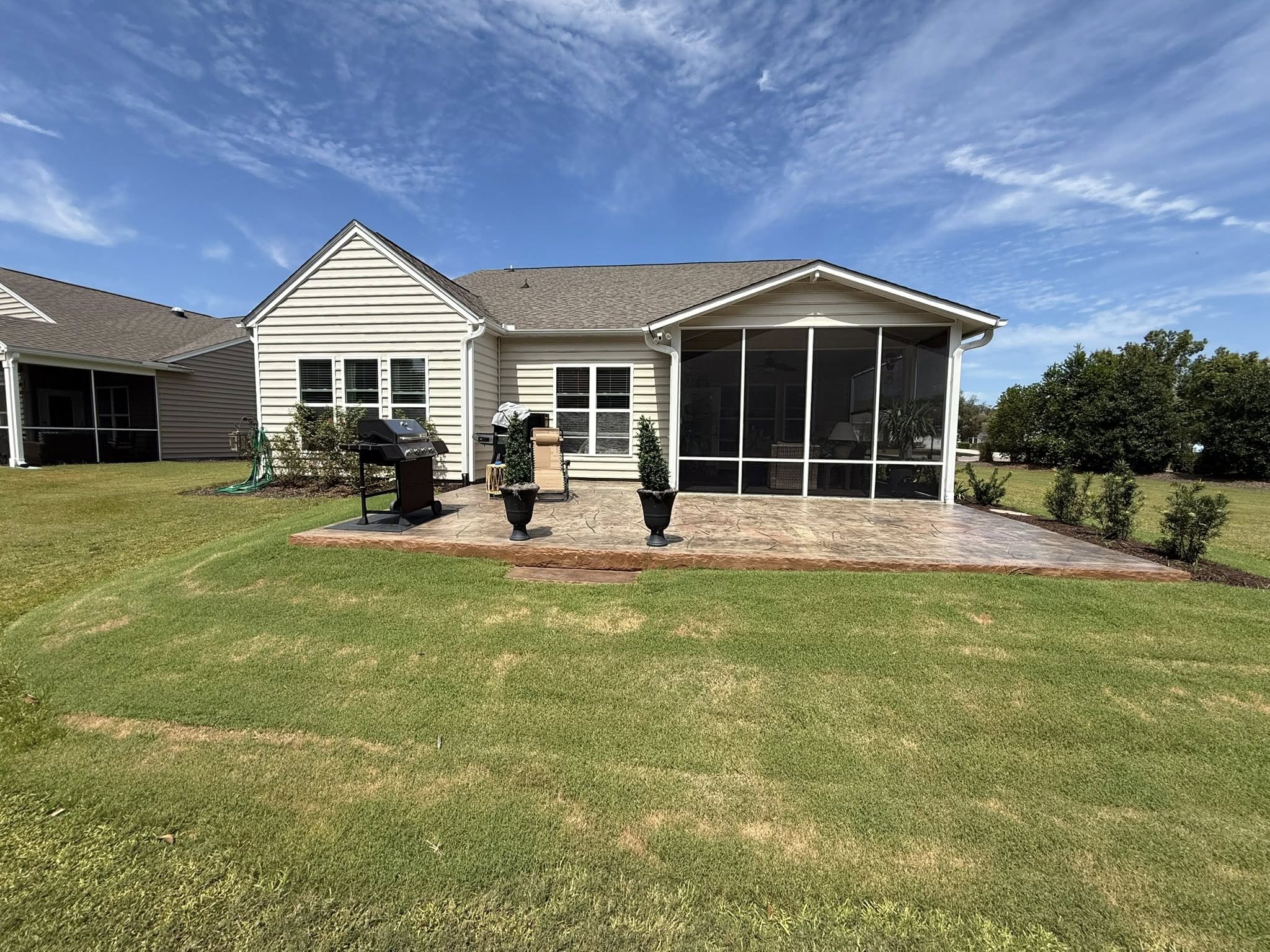
Navigating Concrete Restoration: Techniques for Bringing Old Structures to Life Mar 20, 2026
Concrete restoration involves repairing and renewing concrete surfaces that have deteriorated due to environmental factors, wear and tear, or neglect. Over time, even the most robust concrete can suffer from cracks, spalling, and discoloration, compromising the building’s functionality and curb appeal. Understanding how to approach this process effectively can save time, money, and energy in the long run.
The first step in concrete restoration is assessing the damage. A thorough inspection helps identify the extent of degradation and the underlying causes. At Fichter Concrete, we employ state-of-the-art diagnostic methods to evaluate the concrete's condition, ensuring that each crack or blemish is properly addressed. This preliminary evaluation sets the stage for strategic intervention.
Once the assessment is complete, the actual restoration work can begin. Surface cleaning is often the initial task, as it removes dirt, mold, and other contaminants that could impede repairs. Depending on the situation, high-pressure washing or gentle scrub techniques may be utilized to prepare the surface effectively.
One common technique employed in concrete restoration is patching. This involves filling cracks or holes with a suitable compound that blends seamlessly with the existing material. For larger cracks, injection grouting might be necessary. This process involves injecting a bonding agent into the cracks to restore structural integrity. It’s crucial that these methods are executed by skilled professionals to ensure lasting results.
Resurfacing is another technique that can rejuvenate old concrete. This process involves applying a new layer of concrete over the existing surface, effectively concealing imperfections and providing a fresh, uniform look. Resurfacing is an excellent option when damage is superficial, providing a cost-effective way to enhance the appearance and lifespan of concrete structures.
In some cases, reinforcement may be necessary, especially if structural concerns are identified. This could involve adding steel or other materials to bolster the concrete’s strength and stability. Reinforcement ensures the building can withstand future stressors, prolonging its usability and safety.
Finally, to complete the restoration process, a protective sealant is applied. Sealants guard against future damage from moisture, chemicals, and other environmental factors. This final step is crucial in maintaining the newly restored concrete’s durability and visual appeal.
Choosing the right partner for concrete restoration is essential. At Fichter Concrete, our team is committed to delivering quality results that meet our clients' specific needs. We combine technical expertise with a customer-focused approach, ensuring every project is completed to the highest standards.
Concrete restoration can transform aging buildings and infrastructure, giving them a renewed purpose and extended life. By understanding and implementing these key restoration techniques, building owners can ensure that their structures remain safe, functional, and visually appealing for years to come. If you’re ready to explore concrete restoration, reach out to Fichter Concrete for expert advice and professional service. Together, we can revitalize your old structures with innovative solutions tailored to your project’s unique demands.
/filters:no_upscale()/filters:format(webp)/media/012efd6d-54e5-482b-9bdf-535b321c08f4.jpg)
/filters:no_upscale()/filters:format(webp)/media/a2a7340b-82b8-4b6a-98bc-3e77db04008d.jpg)